Owing back taxes can feel overwhelming, especially when penalties and interest start adding up. But ignoring the problem will only make it worse. The good news is that there are clear steps you can take to get back on track and avoid bigger headaches down the road.
In this guide, we’ll break down what back taxes are, what happens if you don’t deal with them, and how to take action, even if you can’t pay the full amount right now.
What Are Back Taxes?
Back taxes are simply taxes you owe from a previous year that you didn’t fully pay. This can happen for a variety of reasons:
- You didn’t file your tax return.
- You filed but didn’t pay the full amount owed.
- The IRS or your state found an error and says you owe more.
Why it matters: Back taxes don’t just sit there. They grow. The IRS adds interest and penalties, which means your debt can snowball over time.
Step 1: Don’t Ignore It
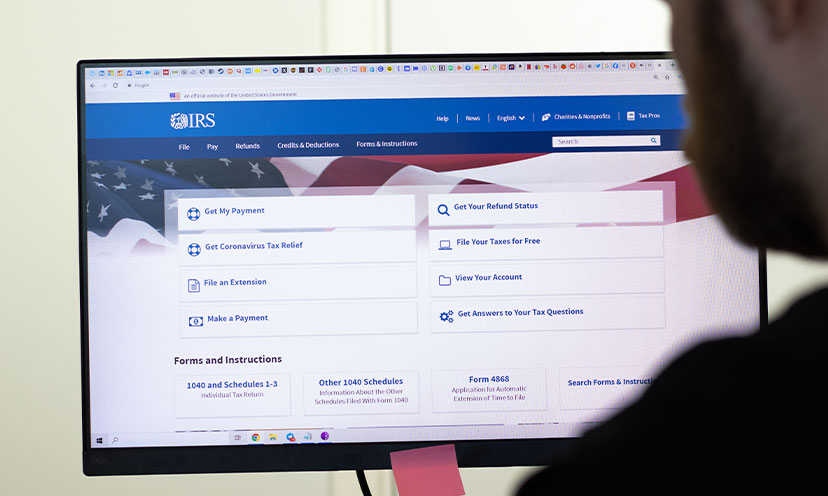
If you owe back taxes, it’s tempting to avoid opening IRS letters or checking your online account. But the IRS can take serious action, such as:
- Garnishing your wages (taking money directly from your paycheck)
- Placing a lien on your property
- Freezing your bank account
First action: Open all IRS or state tax letters immediately so you know exactly what you owe and when you need to respond.
Step 2: Confirm the Amount
Sometimes the IRS makes mistakes or you may already have paid part of what they’re claiming.
- Check your tax records: Compare the IRS notice to your tax returns, W-2s, and other documents.
- Request a transcript: You can order a free tax transcript from the IRS to see what they have on file.
- If you believe the amount is wrong, you can dispute it, but you’ll need documentation.
Step 3: File Any Missing Returns
Even if you can’t pay right now, file your return. The penalty for not filing is often bigger than the penalty for not paying. Filing also stops the “failure-to-file” penalty from piling up.

Step 4: Know Your Payment Options
If you can’t pay the full amount at once, you have options.
1. Full Payment
Paying in full is the cheapest option because it stops interest and penalties right away.
2. Installment Agreement
The IRS can let you pay monthly. There’s usually a setup fee, but it’s far better than ignoring the debt.
3. Offer in Compromise
If you truly can’t afford to pay your full tax debt, you might qualify to settle for less. This is harder to get approved, and you’ll need to show proof of your financial hardship.
4. Temporary Delay
If you’re facing serious financial hardship, you can request the IRS to mark your account as “Currently Not Collectible”, which pauses collection, but interest will still grow.
Step 5: Consider Professional Help
If your tax situation is complex, hiring a tax professional (CPA, enrolled agent, or tax attorney) can save you time, stress, and potentially money. They can negotiate with the IRS on your behalf and ensure you don’t miss any opportunities for relief.
Step 6: Stay Current Going Forward
Once you’ve addressed your back taxes:
- File and pay on time every year.
- Adjust your withholding if you often owe at tax time.
- Keep tax documents organized throughout the year.
Final Takeaway
Back taxes can be scary, but the worst thing you can do is nothing. The IRS is more willing to work with people who reach out first rather than those they have to chase down. By taking small, clear steps, you can protect your finances and get back to peace of mind.