
Did you know that unclaimed property programs returned $4.49 billion to rightful owners in a single year? That money comes from forgotten bank accounts, uncashed paychecks, insurance refunds, and even stocks sitting in state treasuries. While some states make it easy to get your money back, others have complicated processes that can turn a simple claim into a months-long ordeal.
Here are the three most difficult states to claim unclaimed property from, why they’re challenging, and what you can do about it.

What Is Unclaimed Property?
Unclaimed property refers to financial assets left inactive for a set period—typically three to five years—that have been turned over to the state. Common types include:
- Forgotten savings or checking accounts
- Uncashed checks (payroll or refunds)
- Stocks, dividends, and bonds
- Unclaimed life insurance payouts
- Security deposits from rental properties or utilities
Each state runs its own database where you can search by name. The claim process involves verifying your identity, submitting documentation, and waiting for the state to review your request. Some states wrap this up in weeks. Others take much longer.ss your request. Some states make this process quick and easy, while others… not so much.
The Three Most Difficult States for Claiming Unclaimed Property
While many states have streamlined their processes, these three have gained a reputation for being the most difficult to navigate:
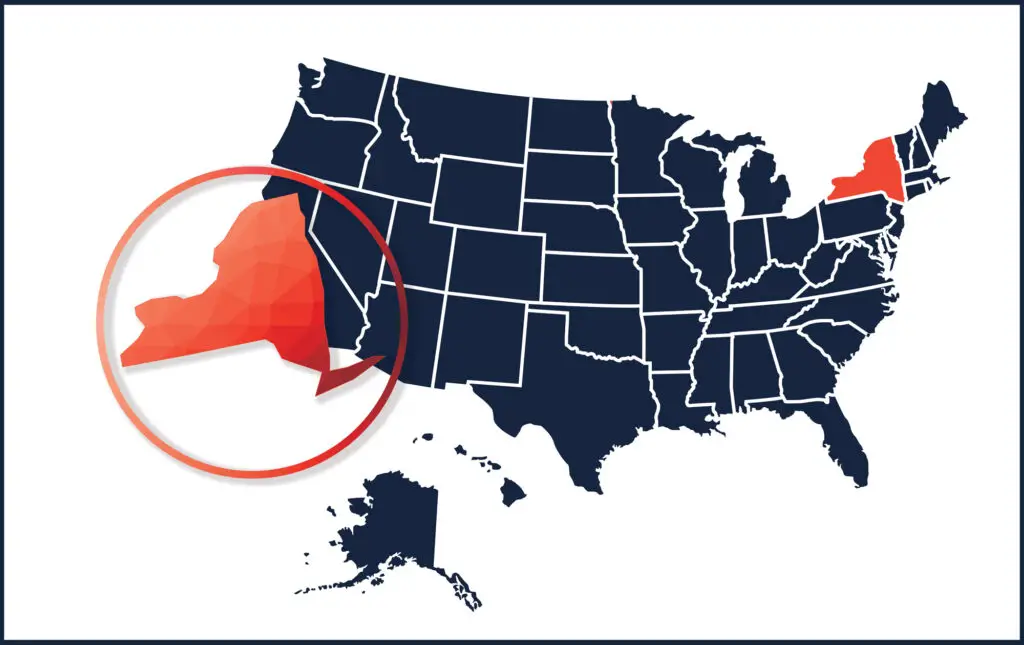
1. New York
New York holds one of the largest pools of unclaimed property in the country, and claiming it comes with some real friction:
- Strict verification requirements — Expect to provide proof of past addresses, Social Security verification, and additional documentation for certain claim types, particularly for estates or claims filed on behalf of others.
- High claim volume — The sheer number of claims creates processing delays, especially for more complex situations.
- Ongoing system transition — New York rolled out a new claims system in 2025. While this should speed things up over time, the transition period itself has added some uncertainty for claimants.
The silver lining: straightforward claims can now be filed entirely online, and simple cases are often resolved within 30 days.
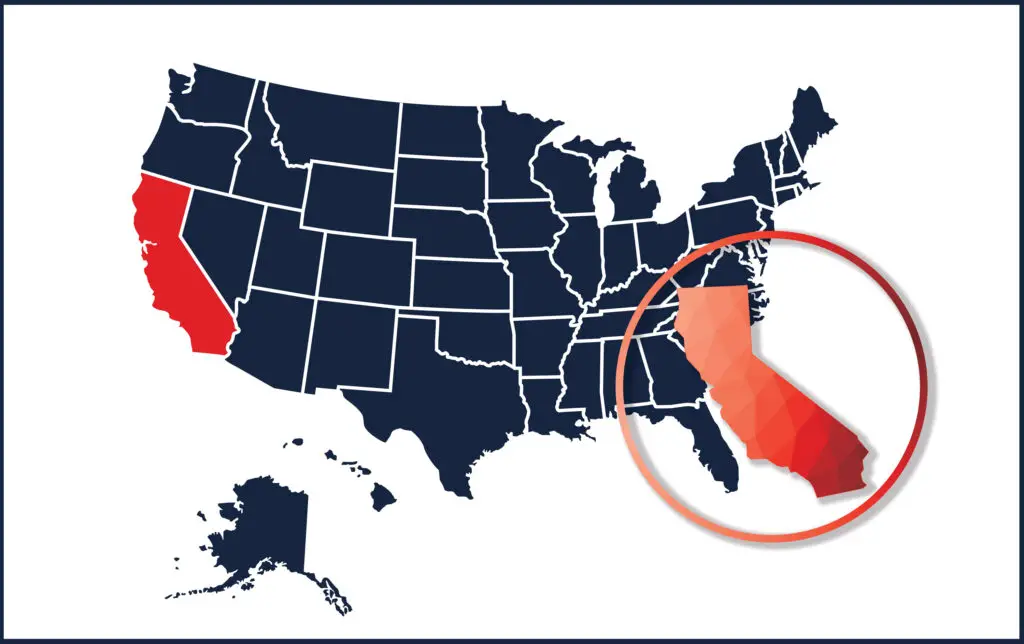
2. California
California holds a massive amount of unclaimed property, but the process has several friction points:
- Notarization requirements — Claims of $1,000 or more require a notarized signature, as do all securities and safe deposit box claims. This adds cost and an extra step that delays submission.
- Long processing window — California law allows the state up to 180 days to review a complete claim package. Simple cash claims may come through in 30 to 60 days, but heir claims, multi-owner claims, and securities can push right up to that six-month ceiling.
- Higher claims volume — California’s own website warns that the division is experiencing “significantly higher than expected claims volume,” which stretches timelines further.
California also launched a new claims system in September 2025, which is intended to cut processing times and allow document uploads from a phone or computer.
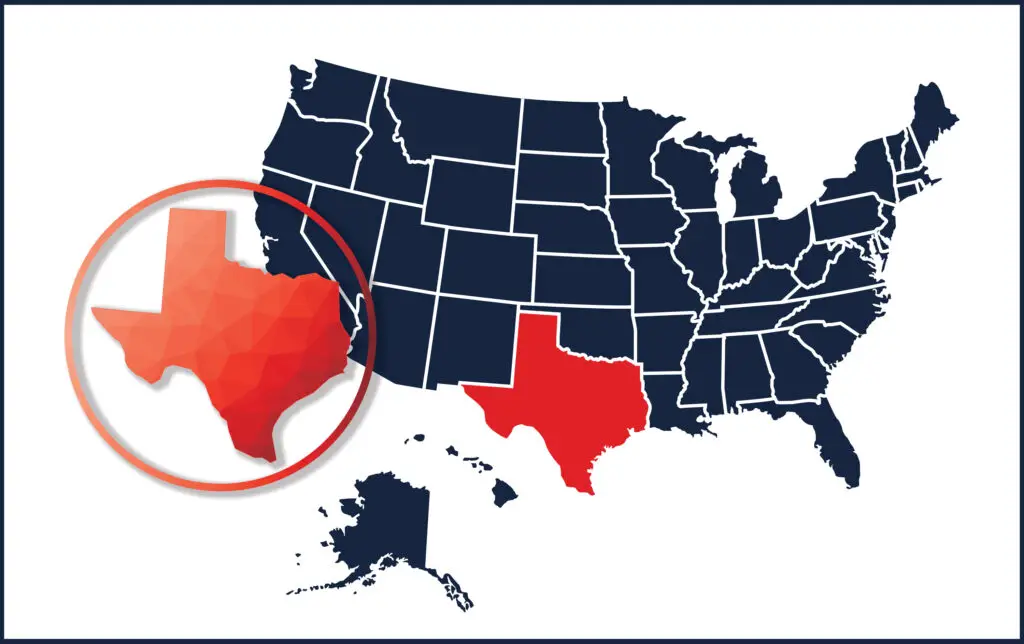
3. Texas
Texas processes a high volume of unclaimed property claims, and the experience can be slow and paperwork-heavy:
- Lengthy response times — Reviews take months, particularly for larger claims.
- Complex appeal process — If your claim is denied, the appeals process is involved and can drag on.
- Extra hurdles for heirs — Claiming property on behalf of a deceased relative means additional paperwork and potential legal steps that can significantly extend the timeline.
Helpful Tips for Navigating These Difficult States
If you’re trying to claim unclaimed property in one of these states, here are some tips to improve your chances of success:
1. Start your search on Finderish Instead of finding multiple state websites manually, use Finderish to quickly locate unclaimed property websites for each state you want to search.
2. Gather documentation before you submit. Missing or incorrect paperwork is the most common reason for delays. Have these ready:
- ✅ Government-issued ID
- ✅ Proof of past addresses (old utility bills, tax documents)
- ✅ Social Security number
- ✅ Marriage or death certificates (if claiming on behalf of a relative)
3. Check the notarization rules upfront. California requires notarization on claims of $1,000 or more, and other states have their own thresholds. Know before you submit so you don’t have to start over.
4. Follow up consistently. Keep copies of everything you submit and note your claim confirmation number. Check your state’s claim status portal regularly rather than waiting for the state to contact you.
5. Consider professional help for large or complicated claims. For estate-related claims or high-value assets, a financial or legal professional familiar with your state’s process can be worth the cost.
The process can be slow, but the money doesn’t expire. Persistence and the right documentation make the difference.
While claiming unclaimed property can be a hassle in some states, persistence and preparation can make all the difference. Using tools like Finderish to start your search and following the right steps can help you successfully recover money that’s rightfully yours.